
 Blog details

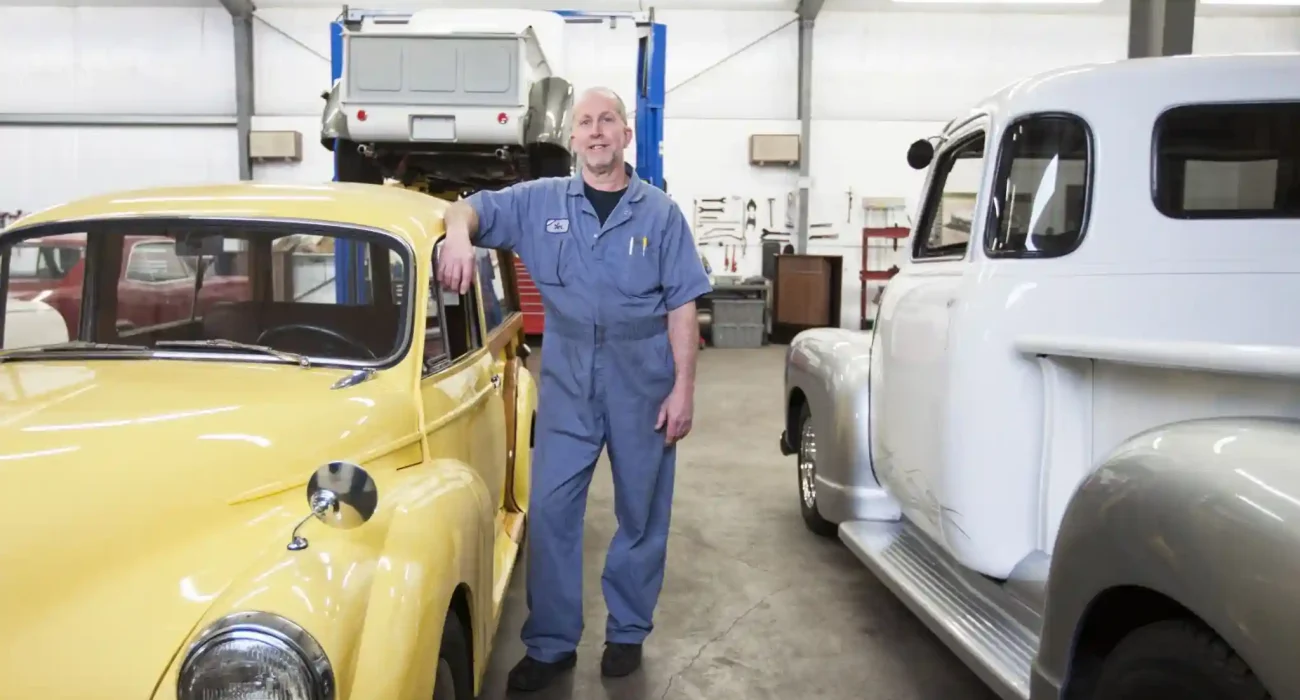
There is a particular feeling that comes from standing in front of a neglected classic. The faded paint, the flat tires, the quiet suggestion of what it once was. Most people walk past. A certain kind of person starts calculating.
Vintage car restoration is one of the most rewarding projects a car enthusiast can take on. It is also one of the most demanding. The romanticized version involves a dusty barn find, a few weekends, and a gleaming result. The real version involves months of systematic work, difficult sourcing decisions, and costs that almost always run higher than planned.
This guide covers the full process honestly, from evaluating a project car to driving it out of the garage for the first time. If you are considering a restoration, this is what you need to know before you start.
Understanding What You Are Actually Taking On
Every restoration mistake traces back to unclear goals. Before you touch a single bolt, you need to decide what kind of car you are building and why.
The Difference Between a Driver Restoration and a Concours Build
A driver restoration returns a vehicle to reliable, attractive working condition. Finishes do not need to be perfect. Minor deviations from factory spec are acceptable. The car is meant to be used, enjoyed, and driven without anxiety.
A concours build targets show-level perfection. Every component is correct to factory specification. Finishes are flawless. Documentation matters as much as the work itself. The time and cost difference between these two goals is not marginal. It is enormous.
Confusing them midway through a project is one of the most expensive mistakes in restoration. Decide which path you are on before you start purchasing parts or hiring specialists. Every decision downstream flows from that choice.
Counting the Real Costs Before You Start
Labor is the largest variable in any restoration budget. A frame-off restoration on a 1960s American muscle car can run anywhere from 40,000 to well over 150,000 dollars depending on condition, parts availability, and finish standards. That range is not an exaggeration.
Parts sourcing for pre-war and early postwar vehicles adds another layer of complexity. Some components simply do not exist in the reproduction market. Finding an original piece requires patience, marque club connections, and sometimes fabrication.
Experienced restorers consistently advise building a contingency of 30 to 40 percent above your initial estimate. Not because planning is bad, but because disassembly always reveals something the exterior did not show.
Choosing the Right Project Car
Purchase price is not the primary consideration when selecting a project car. The starting condition is.
A vehicle priced at 8,000 dollars with significant structural rust will almost always cost more to complete than one priced at 18,000 dollars with solid bones. The bargain with hidden problems is one of the most reliable ways to turn a passion project into a financial drain.
Before committing to any vehicle, evaluate body integrity, frame condition, and drivetrain completeness. A missing engine or transmission is not automatically a dealbreaker, but it must be factored into the real acquisition cost. A vehicle missing key components that are no longer reproduced presents a sourcing problem that money alone cannot quickly solve.
Marque support matters more than most first-time buyers realize. A model with an active marque club, a strong parts ecosystem, and a community of experienced restorers is a fundamentally different project than an obscure low-production vehicle with no support network. Both can be rewarding. Only one of them is forgiving of mistakes.
Building Your Restoration Plan
A restoration without a written plan is not a project. It is an expensive hobby with no defined outcome.
Defining the Scope and Setting Priorities
Map out your phases before disassembly begins. The typical sequence runs from teardown and assessment through bodywork, mechanical restoration, interior, paint, and final assembly. Each phase has dependencies. Paint cannot happen before body work is complete. Interior cannot happen before the mechanical systems are confirmed to be functional.
Documentation during disassembly is not optional. Photograph every component before it comes off the car. Label every wire, bag every hardware grouping, and record every routing detail. This investment of time during teardown pays back many times over during reassembly, often months or years later when memory has faded.
Working With Specialists Versus Going Solo
Knowing which tasks to handle yourself and which to delegate to specialists is a core competency in vintage car restoration. Body alignment, engine machining, and quality upholstery work genuinely require professional skill and equipment. Attempting them without the right background produces results that usually need to be redone.
When selecting a restoration shop, ask for references from completed projects on similar vehicles. Visit in person. Ask how they handle unforeseen discoveries during disassembly and how those conversations are documented. A good specialist communicates changes in scope before the work is done, not after the invoice arrives.
Disassembly and Assessment
Disassembly is where the real character of a vehicle reveals itself. It is also the phase most beginners underestimate.
Hidden rust behind body panels, previous amateur repairs buried under fresh paint, structural damage from old accidents that were never properly addressed. These discoveries are common. They are also the reason experienced restorers treat the initial purchase price as just the beginning of the cost conversation.
Work systematically. Remove components in a logical sequence. Label everything as it comes off. When you find something unexpected, document it, photograph it, and adjust your plan and budget accordingly. The discipline applied during teardown directly determines how smoothly reassembly goes.
Bodywork and Paint
Bodywork is the most visible result of a restoration and the phase that receives the most scrutiny at shows and in the market.
Rust Remediation and Metal Fabrication
Surface rust is a cosmetic issue. Scale rust has penetrated the metal and requires more aggressive treatment. Structural rust compromises the integrity of the vehicle and must be addressed before any other work proceeds.
When panels are too far gone to repair, replacement is the correct answer. For vehicles where replacement panels are no longer in production, qualified metal fabricators can recreate them. This work is expensive and time-consuming, but it is the only path to a correct result on rare vehicles.
Paint Preparation and Color Matching
Professional painters consistently say the same thing: preparation is 80 percent of the final result. Rushing surface preparation to get to the color coat faster is one of the most reliable ways to produce a finish that fails within a few years.
Period-correct color matching requires factory paint codes and historical documentation. Many marque clubs maintain color archives that identify correct formulations for specific model years. Single-stage paint systems are more period-correct for many vintage vehicles. Two-stage systems offer greater durability and are appropriate for driver restorations where longevity matters more than strict historical accuracy.
Mechanical Restoration
Engine Rebuilding and Drivetrain Work
A refresh addresses worn items and replaces seals, gaskets, and consumables without fully disassembling the engine. A full rebuild takes the engine completely apart, machines worn surfaces, and replaces every component to factory tolerance. The condition of the engine determines which approach is warranted.
Engine machining must go to a specialist with experience on vintage powerplants. Modern machine shops work primarily with contemporary engines. The clearances, tolerances, and metallurgy of a vintage engine are different, and a shop without relevant experience can damage an irreplaceable block.
Brakes, Suspension, and Steering
Safety-critical systems deserve extra attention regardless of how period-correct a restoration aims to be. Vintage braking systems, particularly those using drum brakes all around, require careful inspection and rebuilding to modern reliability standards.
Common failure points include wheel cylinders, master cylinders, rubber brake lines that have hardened over decades, and worn kingpins in older front suspension designs. These components must be addressed, not deferred.
Interior Restoration
Interior work requires sourcing correct materials with period accuracy. Grain patterns, thread types, and color codes are all documented for most collectible vehicles, and deviations are visible to experienced judges and buyers.
The choice between new old stock components and quality reproductions depends on availability and restoration goals. NOS parts are always preferable for show builds. Quality reproductions are acceptable for driver restorations and have improved significantly in recent years.
Interior work is typically the final major phase before assembly. Completing it last protects finished surfaces from damage during mechanical work and keeps the workspace cleaner throughout the earlier phases.
Final Assembly, Testing, and Road Readiness
Reassembly using the documentation captured during disassembly is what separates a clean build from a frustrating one. Every label, photograph, and hardware bag from teardown earns its value here.
Freshly rebuilt engines require proper break-in procedures. Pushing a new engine hard before rings have seated correctly shortens its life significantly. Follow manufacturer-specified break-in protocols for the first several hundred miles.
Before the first drive, work through a systematic pre-road checklist. Confirm all fluid levels, verify fastener torque on critical components, check all electrical connections, and test brake function at low speed before committing to road conditions. A professional alignment and safety inspection before regular use is not excessive caution. It is standard practice.
Conclusion
Vintage car restoration rewards the people who approach it with clear goals, honest budgets, and genuine patience. The process is long, the challenges are real, and the costs are higher than most first estimates suggest.
The builds that finish well start with the right project car, a defined restoration goal, and a plan that accounts for what disassembly is likely to reveal. Connect with a marque-specific club before you commit to any vehicle. The knowledge inside those communities will save you time and money from the first conversation.
The finished result, a car brought back from neglect and running the way it was built to run, is worth the work. Start with an honest assessment and build from there.