 Blog details

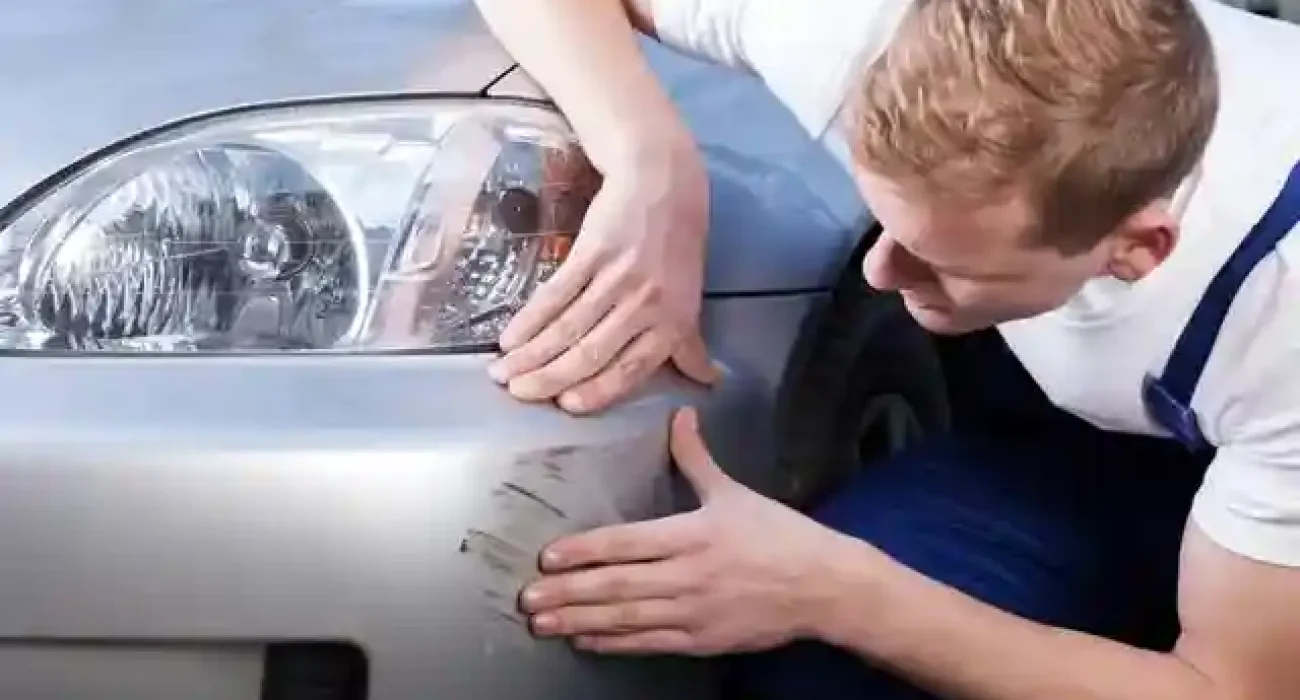
Vehicle body damage ranges from minor cosmetic scratches to significant structural deformation that affects safety and function. Understanding the repair process, the parts and materials involved, and what to look for in a quality repair shop helps owners make informed decisions rather than simply accepting the first quote they receive. Whether you are dealing with the aftermath of a collision or addressing years of accumulated cosmetic wear, knowing your options produces better outcomes.
Assessing the Extent of Damage
Surface damage that involves only the outer panels is generally straightforward to repair. When damage extends to structural elements such as frame rails, crumple zones, or load-bearing pillars, the complexity and cost increase significantly. Before committing to any repair programme, ensure the assessment includes both cosmetic and structural evaluation. Cosmetic repairs over unaddressed structural damage create the appearance of a fix while leaving safety issues in place.
Modern vehicles have complex sensor systems integrated into body panels, particularly around bumpers and pillars. Damage in these areas may affect the calibration or function of safety systems that require specialist attention beyond standard body repair.
Auto Body Parts Selection and Quality
Body panels, bumpers, doors, and mechanical components are available in varying grades. Original equipment manufacturer parts offer the highest confidence of fit and compatibility but carry the highest cost. Aftermarket parts from reputable manufacturers offer a cost-effective alternative for cosmetic panels that do not carry the same engineering criticality as structural or safety components.
For those seeking value without compromising on quality, auto body parts sourced from salvage operations offer a third option. Panels from low-mileage vehicles with compatible damage patterns to your repair need can provide excellent value when properly inspected for condition and compatibility.
The Auto Body Painting Process
Colour matching is the greatest challenge in auto body painting. Paint codes provide a starting point, but vehicles fade at different rates depending on exposure and care history, which means mixing to code often produces a visible difference between the repaired and unrepaired areas. Quality shops blend paint into adjacent panels to minimize the transition and produce results that are not detectable under normal viewing conditions.
Multiple paint layers including primer, base colour, and clear coat need to be applied correctly and allowed to cure properly. Cutting corners in any layer affects the durability and appearance of the finished repair over time.
Choosing the Right Body Shop
Selecting a qualified repair shop has a major impact on both the quality and safety of the final result. Look for shops with proper certifications, manufacturer approvals, and a proven track record of handling repairs similar to your vehicle type. A reputable shop will be transparent about their repair process, provide a detailed written estimate, and explain which parts and materials will be used.
It is also worth paying attention to how the shop communicates and handles questions. Clear explanations about timelines, warranty coverage, and post-repair inspections indicate a professional approach.
Insurance and Repair Authorization Process
If the damage is being covered by insurance, understanding the approval process can prevent delays and unexpected out-of-pocket costs. Insurance companies often require their own inspection or approval before repairs begin, and the chosen repair shop must typically work within those guidelines.
Knowing what is covered under your policy helps you avoid disputes later in the process. It is also important to clarify whether the insurer recommends specific shops or allows you to choose independently. While insurer-preferred shops can streamline paperwork, you still have the right in many cases to select your own repair provider.